

How to Travel Once you get There – What you need to know about Cars, Boats, Trains, and Buses for Family Travel
Transportation and Long Term Travel
The way we get to and the way we move around once we are in a location can vary dramatically. Our preference is to use public transportation such as buses and trains when available (and if it is easy to use). We also really enjoy walking and biking. Most of the time (since there are 5 of us) we just end up getting a car. Some times we use Taxi’s and we have used private drivers.
Take a Ferry
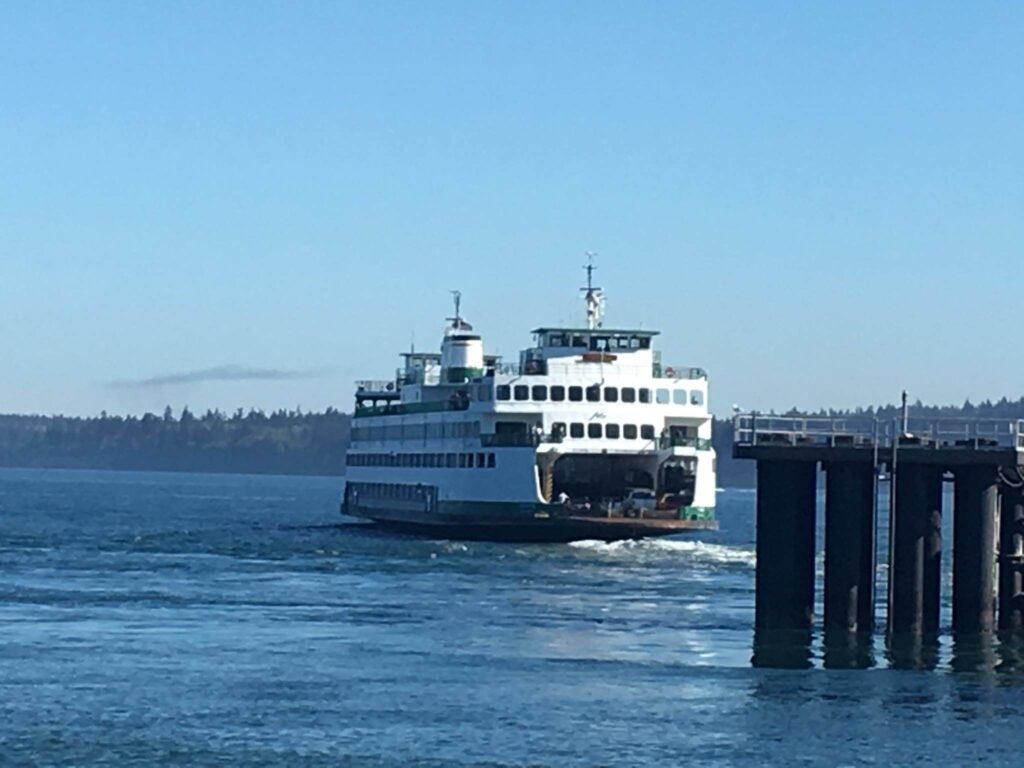
If we have a choice our favorite way to travel it by ferry. We used several ferries along the Washington Coast and in to Vancouver Canada. I do recommend booking about 1 week ahead of time if possible. There were several times that one of the ferries were down and space then became really limited. Please check the ferry website for check in time. It’s usually 30-60 minutes before the ferry leaves. Most of the terminals had buildings to hang out it when the kids were to restless to sit in the car. Once it’s time to go, pay attention and follow the leaders. Park, then go upstairs for puzzles, cards, refreshments and to enjoy the beautiful views.
or Take a Different Kind of Boat
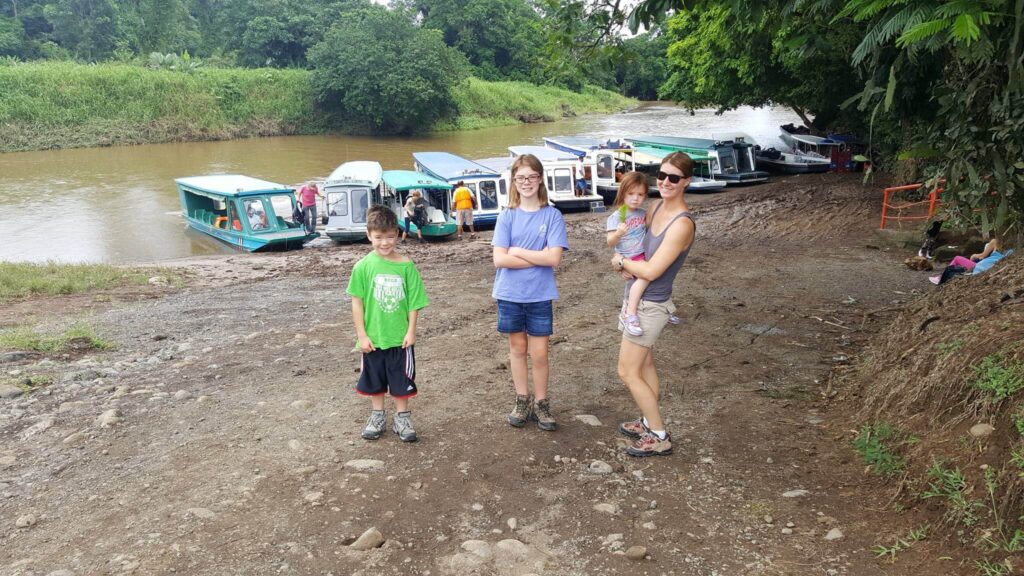
We love travelling by boat every chance we get. We sail, we kayak, we take canal tours. My favorite has been the boat ride we took in Costa Rica to Tortuguero.
Train
Our second favorite way to travel is train. We’ve only take small train rides this trip but they’re so much more comfortable then a car and you can watch the scenery. Some cities have a very efficient train system. Some areas are much trickier. On our next trip I’d like to spend way more time on trains and way less time in the car. European trains can be fabulous (but also pricey for 5 people and not always in our budget).
Bus
In cities with good public transportation, buses can be a really nice option. Copenhagen has a great bus system. After a little trial and error we purchased bus cards and we were riding everywhere we wanted just like the locals. In Copenhagen everyone rides the bus – and I just loved it.
Walk – with your own 2 Feet
When you’re in a new city it’s very important to take some time and explore on foot. If you were able to find lodging near walkable areas then your entire stay can be on foot. There are many small to large European cities where once you arrive you don’t have to go to your car for anything. I just love being able to walk down the street to get fresh bread and my morning coffee.
Bike – Pedal Power
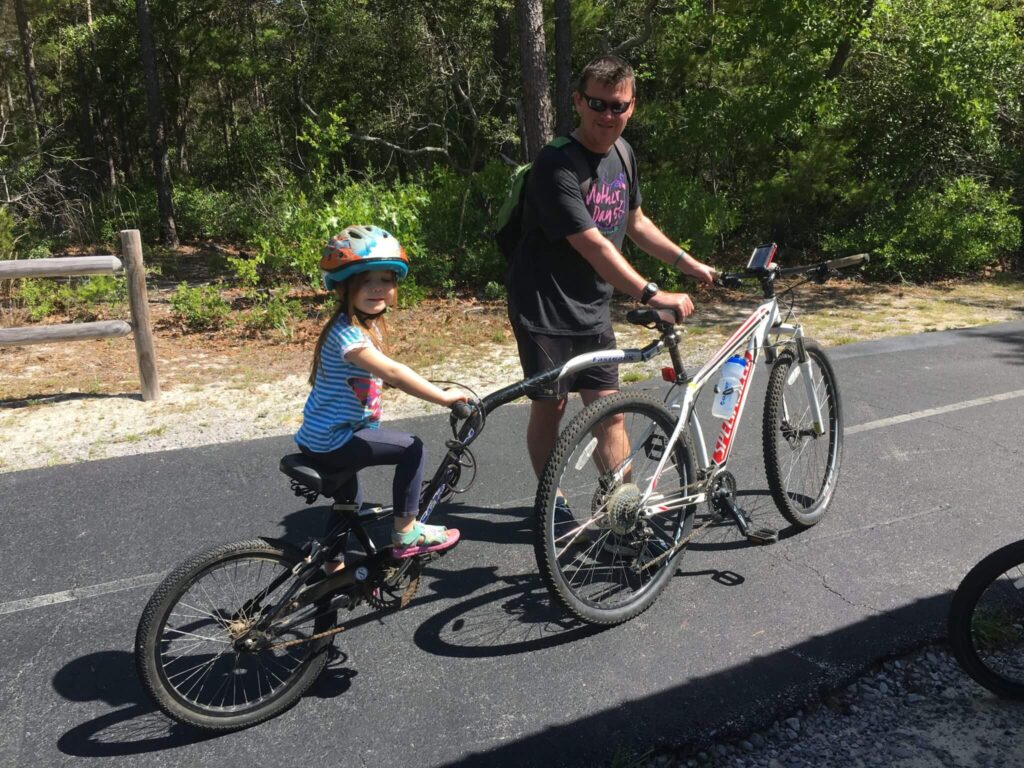
Biking can be one of the best ways to explore a city. Consider taking a tour. We loved our bike tour of DC and I felt we got to see much more than being on the bus. Some cities are extremely bike friendly, like Copenhagen. Some aren’t (like mst mid-size US cities).
Taxi
In Morocco we used a combination of Taxi’s and a Private Tour to get to and from the airport. Otherwise we went on foot. I do recommend finding out what the normal price for your ride is and making sure you confirm the price before getting in.
Taxi’s can also be a good way to get around in some cities (although I prefer Lyft and Uber). With 5 of us we usually have to get a larger one so our cost goes up. Also some I’ve found Taxi’s don’t always seem to have working seatbelts and they look at you funny if you strap in a car seat. Most places it is legal for kids to ride without car seats in Taxis but do you really want to take that chance. My kids are in car seats because it’s safer not because I’m worried about breaking laws. See my car seat article for some great safety products for Taxi’s. I also like to take a photo of the Taxi identification number when possible and just text it to whoever our lookout friend may be. I don’t worry as much about this when we call a service but it’s probably a good idea regardless.
Lyft and Uber
We have not had much access to Lyft or Uber on this trip (except in the states). We have used both in many areas of the US. I generally find the drivers to be very friendly and love telling us about their city. I like that I don’t have to worry about tips (that can be done later through the app), the apps are easy, and I like knowing that we are being tracked.
Private Driver
In Costa Rica we used private drivers and Taxis for the first part of the trip (thank goodness) and braved it in a car rental for the second half. We could have likely figured out the bus system but I’m just not that brave and Hablo un poco Espanole (and sometimes have no idea where we’re going). Plus in a car you can stop when you have to find a banos (potty break). Our private driver experiences were wonderful. Most drivers doubled as guides and we were able to learn a lot that way. In Morocco we used a driver/guide to take us in to the Atlas Mountains. It was probably our favorite day of our entire trip.
Car Rental
Most everywhere else we’ve had a rental car. Generally the thing usually sits in a parking lot Monday – Friday then we take it exploring on Saturday and Sunday. That’s just the way it ends up.
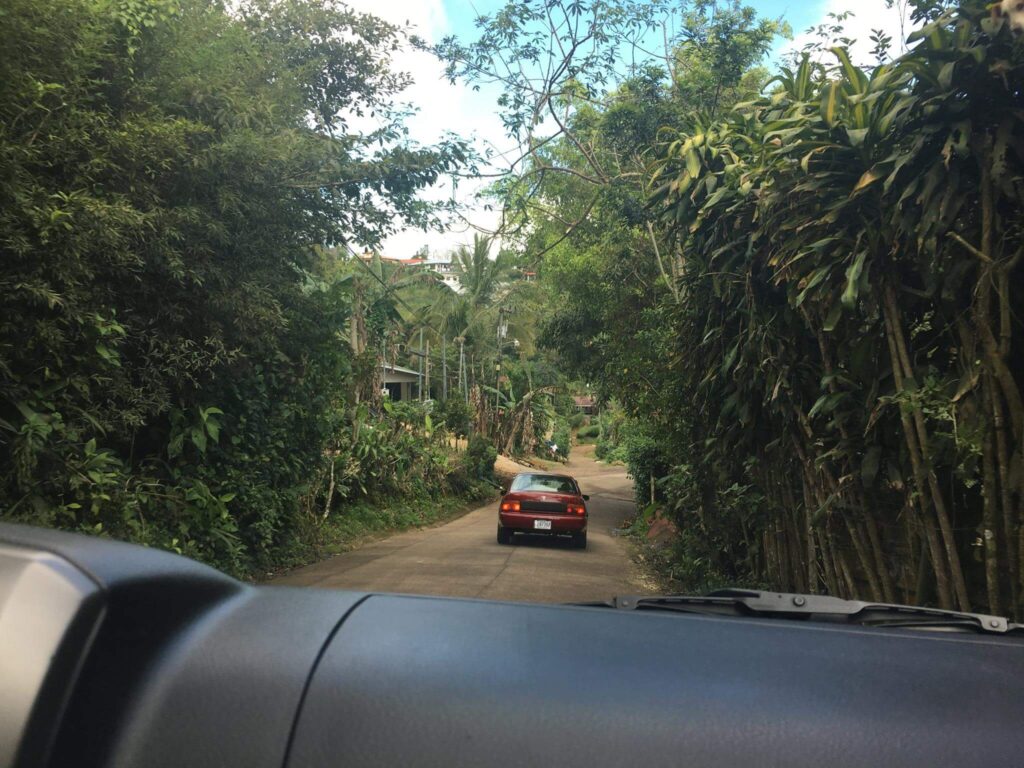
I start my rental car search with Skyscanner.com and Kayak.com. Lately I’ve like Skyscanner’s deals. Once you find something that works, read the fine print. Can you take it over a border? Can you add a driver? Will your suitcases fit? What’s the deal with insurance? Check the reviews for the rental company – do not use Payless. Each country will have different rules on insurance and these rules are not typically spelled out on the websites. Once we find a deal we like we like to call the company directly and confirm the overall price. Some countries like Costa Rica have a mandatory insurance added. They may charge up to $30 per day (hense why you can rent a car for $100 for the month). That rate in Costa Rica can generally be negotiated to about $10 per day. Another cost saving option is to check with your credit cards and see what they have for insurance coverage. Our cards cover rentals up to 30 days for collision. I recommend printing out confirmation of this coverage and bringing it with you when you pick up the car. Because of this 30 day limit you may find that you need to change your car out at day 28. We had to do this once.
Car Buyback
Another option in Europe (if you need your car for several months) is to go with a new car lease buyback. Essentially you are buying the car and then the company buys it back from you. Several new car companies do this. I found it’s about $600-$700 per month including insurance. We are usually able to find rentals in the $200-$300 range so it has not made much sense to us.
More Car Rental Tips
We like to take photos of the car at pick up and drop off. We usually get an economy car but it’s rare that we’re not upgraded to something larger when they see us. We’ve even scored a few mini-vans. I would, however, not count on the automatic upgrade. Make sure that in the car’s advertisement that they list enough passengers and suitcase space for your family. We’ve had so many cars this trip that I couldn’t pick our current one out of a very small lineup.
Car Seats and Travel
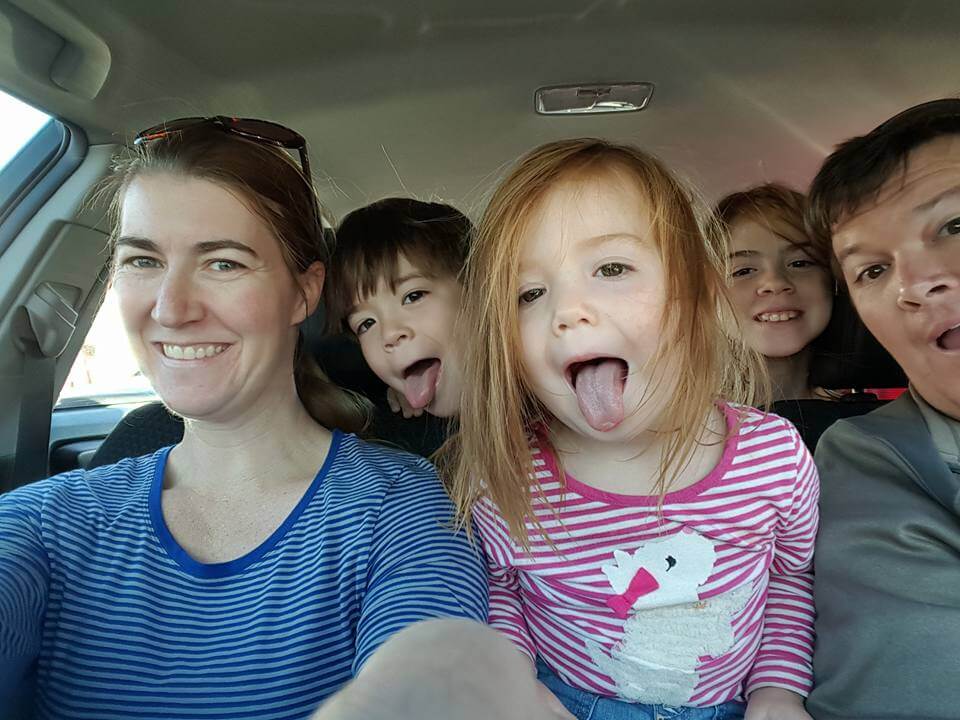
I don’t recommend renting a car seat unless you don’t have other options. Car seat rentals can be really expensive ($5 per day adds up). Some rental companies do have better prices but generally I’ve found car seat rentals for long term trips to not be cost effective. Carrying a car seat on international travel trips isn’t easy but I find bringing my seat saves me a lot of stress by making sure my kids are safe. Make sure you install all your car seats correctly and avoid packing anything in the passenger compartment. If you are in a wreck you don’t want anyone to be hit with flying debris. I’ve seen first hand how much damage a can of Ravioli can do when air born in a wreck.

Don’t Forget Parking Fees
Also when you make your budget add in parking fees. We luckily have only paid for daytime parking in the bigger cities but parking fees can add up fast.
Safety and Checking in
I think one of the more important basic safety guidelines when traveling (or even going for a hike in the neighborhood) is to tell someone where you are. Honestly, we are pretty bad at this. We have typed itineraries that we gave to our immediate family members but when we take our day trips we don’t always check in. If you’re a little smarter than we are, consider having a specific contact person that you text when you do small day or overnight trips. Then when you go somewhere, you text – on our way to … we’ll be back around … That way if you do drive in to a ditch, someone knows where to look for you. We do at least have Life 360 on our phones – it’s a tracking app so at least someone can look at it and say – why have they been near that ditch for 3 days? In our normal daily lives we have lots of people that would find us if we didn’t show up to work or school on day 1. That’s not the case when travelling. You have to make a more direct effort to keep people informed.
Like this article? Then Pin me …
More about Us:


We’re a family of 5 (Physician Assistant mom, IT Project Manager Dad, and kids age 4, 7, and 11) taking a gap year from normal life to travel. For blog posts, locations, and more information on how we did it and how you can too click here.